
She Won’t Trust Again after Being Abandoned – Watch What Happens When She Hears Her Name
When Maya first saw me, she didn’t look like a dog searching for affection. She looked like a dog preparing for battle.
Her growl bounced off the kennel walls before I even sat down. Her body was stiff. Her tail flicked sharply, not wagging, but warning. Every inch of her was saying the same thing: Stay back.
But after sitting with hundreds of shelter dogs, I’ve learned something important: fear and aggression are often just grief wearing armor.
Maya Had Already Lost One Home
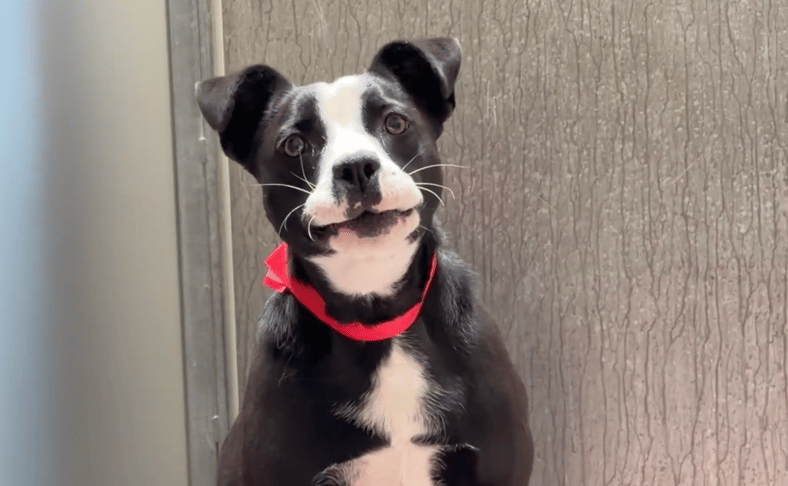
Maya is a young pit bull mix, estimated to be around a year to a year and a half old. She first entered the shelter in August 2025 as a stray and was adopted about a week later.
For several months, she lived in a home.
Then a few days ago, she was brought back.
The reason? According to the owner, Maya kept jumping the fence and they “couldn’t care for her anymore.” Shelter staff noted the owner appeared agitated and eager to leave quickly.
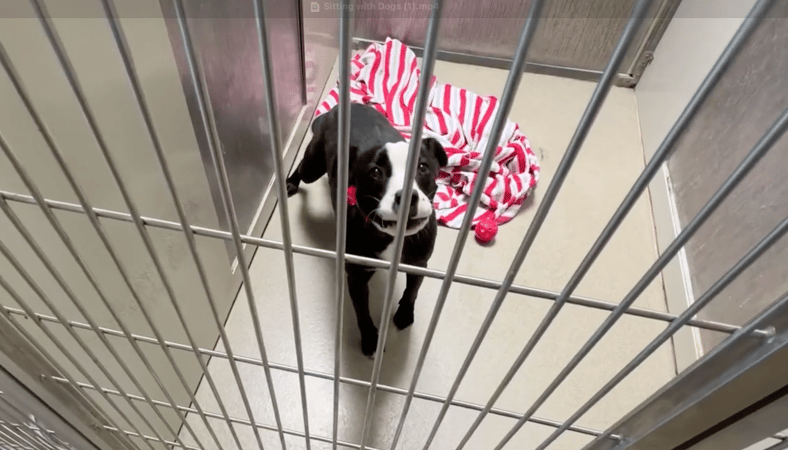
Now she was back inside a kennel, terrified, stressed to the point of stomach issues, and trying to make herself look dangerous enough that no one could hurt her again.
And honestly? I don’t blame her.
Fence Jumping Isn’t “Bad Dog” Behavior
This is the part that frustrates me.
Too often, high-energy dogs get labeled “bad” when really they’re under-stimulated, under-exercised, and emotionally neglected.
Maya is athletic, intelligent, and young. Dogs like her don’t do well sitting alone in a backyard for hours with nothing to do except stare at fences and wonder where their people went.
That energy has to go somewhere.
Pit bull mixes especially are incredibly people-oriented dogs. They thrive on interaction, routine, exercise, and structure. When those needs aren’t met, behaviors like fence climbing, escaping, chewing, or reactivity can show up quickly.
That doesn’t make them broken.
It makes them dogs.
The First Sign Maya Wanted to Trust Again
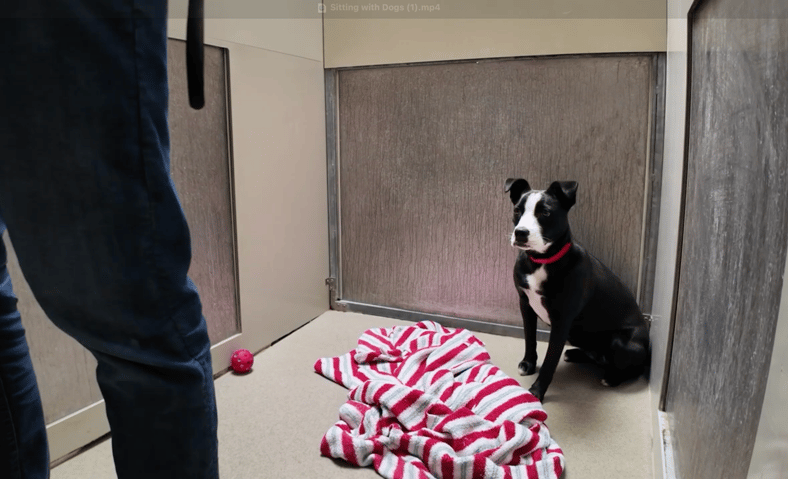
When I first approached Maya head-on, she immediately became defensive. But the moment I turned my body sideways and stopped making direct eye contact, everything changed.
That’s a huge lesson for anyone working with fearful dogs.
Direct approaches can feel threatening. Turning sideways softens your presence. It tells the dog: I’m not here to pressure you.
I started tossing treats gently, giving her space, letting her make every decision. No forcing. No grabbing. No rushing.
And then came the smallest little breakthrough.
She moved forward.
Not much. Just enough to grab a treat before retreating again.
But with fearful dogs, progress is measured in inches, not miles.
The Scoop Almost Happened Shockingly Fast
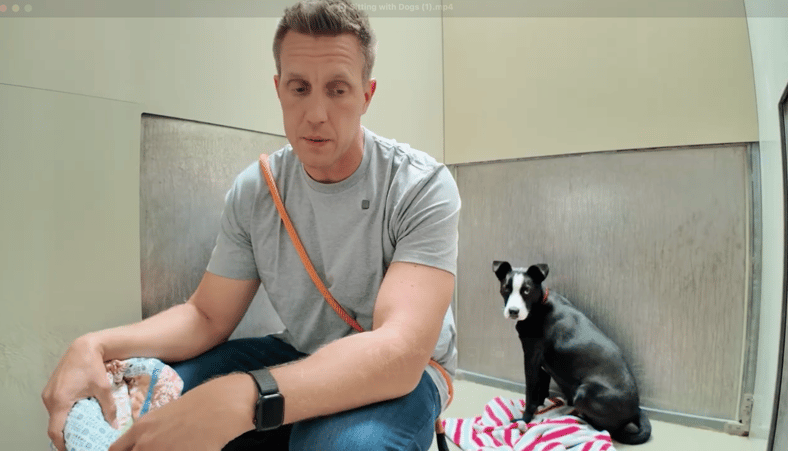
Usually with dogs this shut down, it can take hours or multiple sessions before they’re willing to climb into my lap for what we call “the scoop.”
Maya surprised me.
As nervous as she was, I could see bravery underneath the fear. Curiosity. Hope. The desire to connect.
So I slowed everything down even more.
I started using positive affirmations, quietly telling her she was a good girl. And the reaction hit me hard. The moment she heard those words, her whole expression changed like maybe nobody had ever told her that before.
That’s the thing about shelter dogs. Sometimes they aren’t starving for food.
Sometimes they’re starving for reassurance.
Singing With Dogs Might Sound Silly… But Watch What Happened
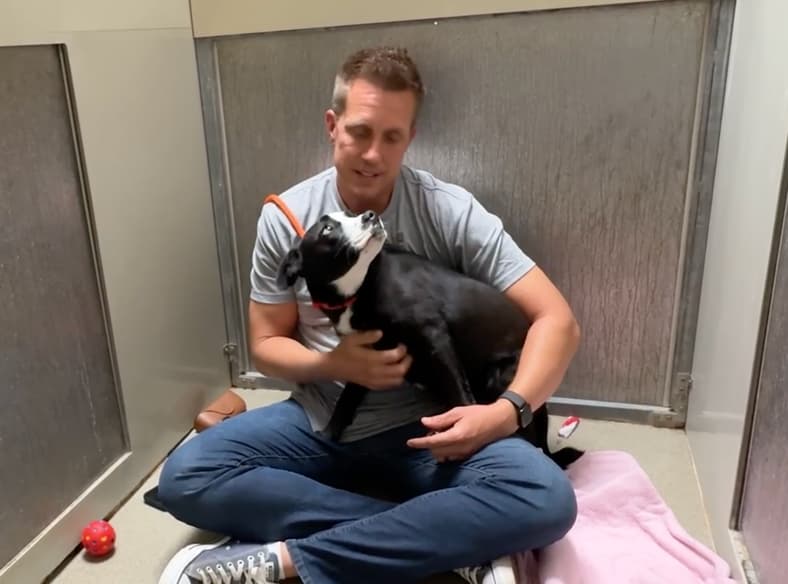
At one point, Maya was so overwhelmed and stressed that I started singing softly to her.
Not because I’m a good singer. Trust me, nobody’s handing me a record deal anytime soon.
But tone matters to dogs. Calm rhythms matter. Nervous systems feed off each other.
So I sang to her:
“You matter, you matter, you matter, you do… somebody’s coming, coming for you…”
And little by little, Maya softened.
The ears relaxed.
The eyes softened.
Then came the moment that got everybody emotional.
The tail wag.
A tiny one at first. Quick enough that she almost tried to hide it afterward.
But once you see that first tail wag from a fearful dog, you know you’re finally reaching them.
A few moments later, Maya climbed into my lap.
The scoop.
Why Dog Walking Changed Everything
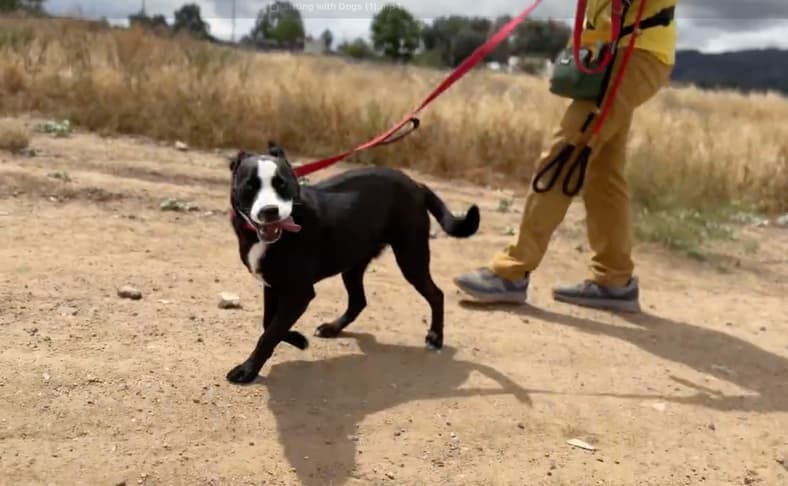
One of the smartest things shelters can do for stressed dogs is get them into structured walking programs.
Exercise isn’t just physical for dogs like Maya. It’s emotional regulation.
Walks build confidence. They lower cortisol. They create routine and positive association with humans.
I asked the shelter team if Maya could be evaluated for their dog walking program because I had a feeling movement and enrichment were exactly what she’d been missing.
And thankfully, she passed.
Watching volunteer Annette take Maya out was incredible. Instead of shutting down, Maya kept checking in with her every few steps as if asking, Are you still here?
That moment says everything.
Fearful dogs don’t stop loving people.
They just become terrified people will leave again.
Maya Deserves a Family That Understands Her
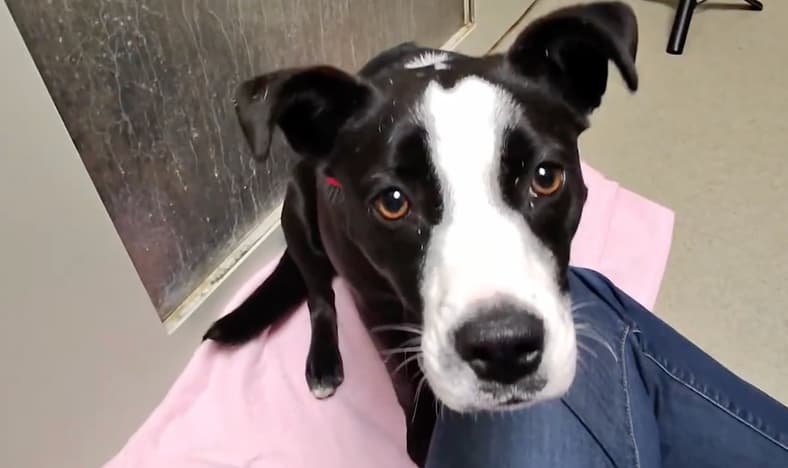
Maya isn’t a “perfect dog.”
She’s a young, energetic dog who needs activity, patience, structure, and reassurance. She’ll likely need slow introductions, decompression time, and consistency in a new home.
But underneath all that fear is an incredibly affectionate dog who wants connection badly.
You can see it all over her face once she finally feels safe.
Maya is currently available for adoption and can be transported anywhere in the United States.
And honestly? The person who gives this dog a second chance is going to get something really special in return.
Because when a dog learns to trust again after losing it?
That bond hits different.