
Why Your Dog Is Afraid of the Vacuum Cleaner and How to Help?
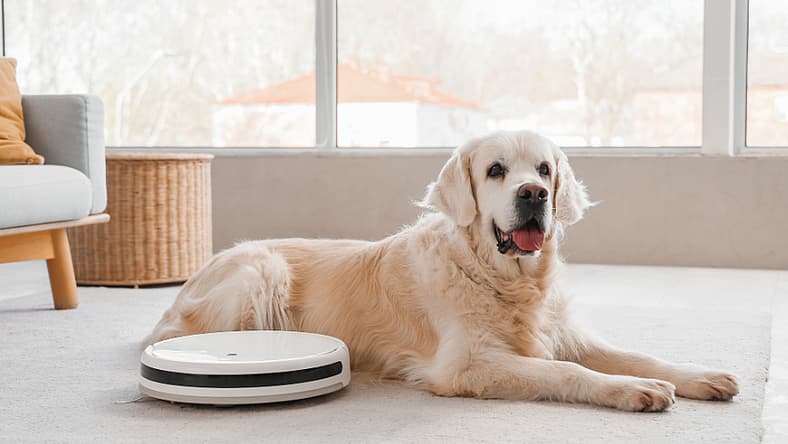
If your dog starts barking, trembling, or running out of the room when the vacuum cleaner turns on, you are not alone. Many dogs react strongly to vacuums, and sometimes it can look like genuine panic.
The good news is that this type of fear is common and often manageable. By understanding why it happens and adjusting how you clean, you can make a noticeable difference in your dog’s comfort level.
Why Vacuum Cleaners Trigger Fear in Many Dogs?
Vacuum cleaners combine several elements that can overwhelm a dog’s senses at once. What feels routine to you can seem intense or threatening to them.
Loud and Uncomfortable Noise
Dogs hear far better than humans. A vacuum cleaner may sound extremely loud or sharp to them, even if it feels normal to you. Some frequencies are particularly uncomfortable for dogs, which can make the machine seem alarming from the moment it starts.
For many dogs, sound is the main trigger behind their reaction.
Sudden Movement and Changing Direction
Vacuums move unpredictably. They roll forward, shift direction, and sometimes approach the dog’s resting space. From a dog’s perspective, this moving object can look like something that is invading their territory.
When loud noise and movement happen together, it can feel even more overwhelming.
Floor Vibration and Physical Sensations
Many vacuums create noticeable vibration through hard floors. Sensitive dogs may react not only to the sound but also to the rumble under their paws. In smaller homes, these vibrations can feel stronger and harder to escape.
Unfamiliar Smells and Past Associations

Vacuum cleaners can release dust and odors from the debris inside. Because dogs rely heavily on scent, this sudden mix of smells may add to their confusion.
Past experiences also matter. If your dog was startled badly once, especially as a puppy, that memory can shape future reactions. Repeated fear responses can strengthen the association over time.
How Can You Help Your Dog Feel Calmer Around the Vacuum?
The most effective approach combines very gradual exposure with plenty of positive experiences. Move slowly, watch your dog’s body language, and keep sessions brief and upbeat.
Choose a Quieter Vacuum

In certain households, choosing a quieter cleaning device reduces stress significantly. Lower-decibel machines lessen the initial shock.
Robot vacuums often run more steadily and at a softer sound level compared to traditional upright models.
Some smart vacuums are designed to handle pet hair more effectively, with features such as anti-tangle brushes and adjustable suction for quieter cleaning. Models like the DEEBOT X8 PRO OMNI can be a good option for pet owners who want strong cleaning performance without causing extra stress for their dog.
Ecovacs also has a range of models that can suit different pet owners, depending on factors such as home size, floor type, and how much pet hair you need to manage.
Start with Gentle, Low-Pressure Introduction
Leave the vacuum turned off and silent at first. Position it in a familiar room, far enough that your dog notices it without tensing up.
Reward any calm interest, relaxed glances, or voluntary steps closer with tasty treats, quiet praise, or a favorite toy.
Once the sight alone causes no concern, add slight motion. Keep the vacuum unplugged and gently roll or nudge it a short way while dropping treats steadily. Pause right away if your dog stiffens, looks away, or retreats. Limit each practice to five or ten minutes.
When visual comfort is solid, work on sound. Begin in a separate room or on the quietest setting your model offers. Alternatively, play soft vacuum sound clips while giving treats, then gradually raise the volume over days or weeks until it sounds like real cleaning.
Associate the Vacuum with Positive Outcomes
This technique, known as counter-conditioning, teaches your dog that the vacuum predicts good things. Whenever the machine is visible or operating, deliver something wonderful such as premium treats, a food-stuffed toy, or a special chew.
As an example, turn the vacuum on briefly from a safe distance and toss treats continuously. When relaxation remains steady, inch closer over multiple sessions. The clear takeaway becomes: vacuum activity equals wonderful rewards.
Offer Space and Secure Retreat Areas
For real cleaning sessions, provide escape options. Set up a cozy spot like a crate, a gated room, or a quiet corner stocked with bedding, water, and toys. Vacuum distant parts of the house first and only approach their area as comfort grows.
Soft background noise from a radio, calming playlist, or fan can partially mask the vacuum sound for some dogs.
Pick a Calm Time
Schedule vacuuming for moments when your dog already feels relaxed, such as after exercise, a meal, or play. Steer clear of high-energy or overtired periods.
Keeping a fairly consistent routine, perhaps on the same days or times weekly, allows your dog to anticipate rather than be startled.
Remain Patient and Supportive
Change often requires weeks or even months, depending on the depth of the fear. Avoid pushing your dog nearer or correcting fearful behavior through scolding; those actions reinforce anxiety. Cheer every tiny improvement.
Should the reaction stay intense, involving persistent trembling, destruction, or complete avoidance of food near the vacuum, consult a certified trainer or veterinary behavior specialist for customized support.
With consistent kindness, the majority of dogs grow to tolerate the vacuum or disregard it entirely. The home remains tidy, and your dog feels at ease. That peaceful outcome makes the process truly worthwhile.
Conclusion
A dog’s fear of the vacuum cleaner usually stems from loud noise, sudden movement, vibration, and previous negative experiences. Without guidance, this fear can become stronger over time.
The encouraging news is that many dogs can learn to tolerate the vacuum through gradual exposure, positive reinforcement, safe spaces, and predictable routines. With patience and steady practice, cleaning day can become far less stressful for your dog and much more manageable for your household.
