I Bought a GIANT Dog Rescue Farm and YOU Can Visit
YouTuber and pet rescue advocate Rocky Kanaka and his wife, Kelly, are turning a stretch of farmland in Oceanside, California into Flip Farms, a working coffee farm and rehabilitation space for traumatized shelter dogs.
The project aims to save thousands of dogs, reconnect people with the land, and build a community hub centered around rescue, farming, and mental health.
Supporters are being invited to help fund the project by sponsoring coffee trees planted in honor of their own dogs, including beloved “soul dogs” they have lost.
From 1 Acre to 50
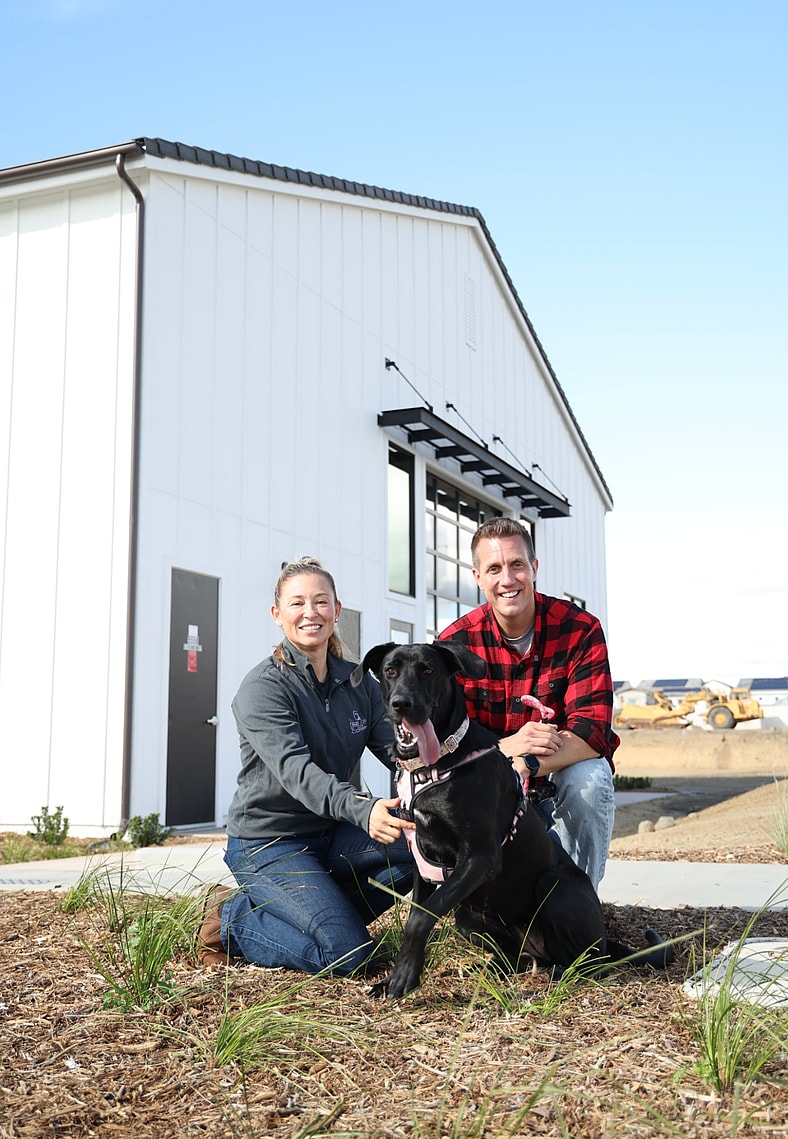
Flip Farms did not begin with 50 acres. It started with a small quonset hut that Rocky and his family built as a tiny home for dogs. From there, they began taking in some of the most vulnerable dogs he met while filming his “Sitting With Dogs” series in shelters.
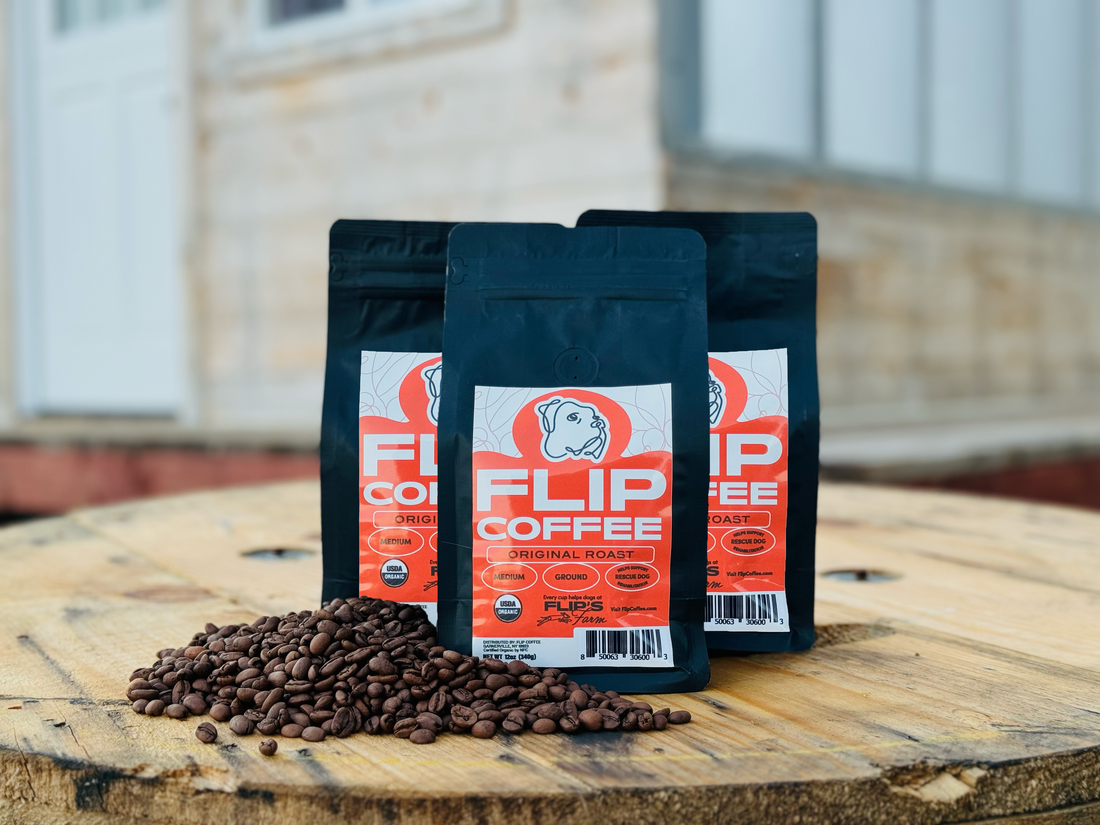
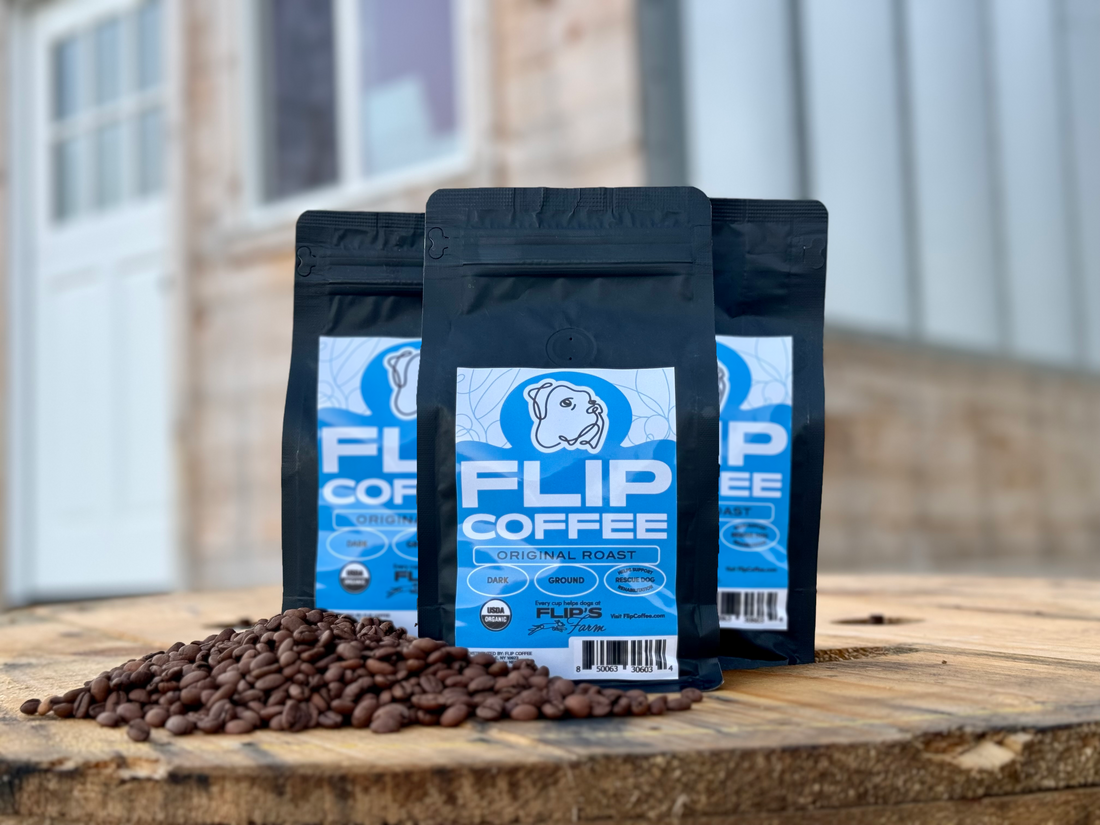
Bean, a puppy with a badly broken leg, was the first dog at the farm. Saving his leg required extensive surgery, time, and money. The cost was covered in part by supporters who bought Flip Coffee, with profits poured back into his rehabilitation.
Dogs like Bonnie, Valentina, Pumpkin and Olive followed. Some needed medical care. Others, like Pumpkin, required a year of patient, mental rehabilitation to learn how to trust people again. The model worked, but the small starter farm and restrictive zoning meant the team could not scale the effort to meet the demand.
Why Oceanside and Why Coffee
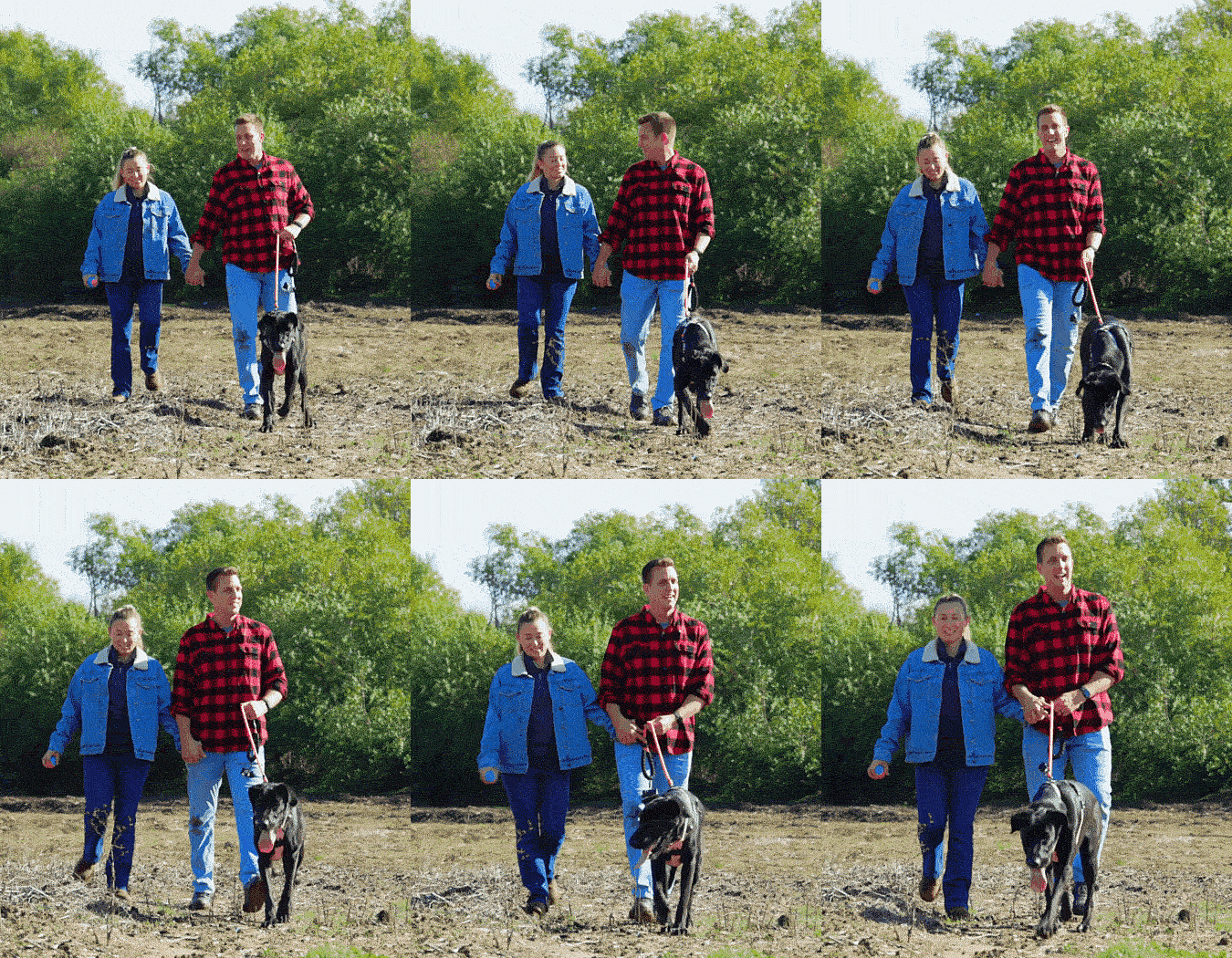
To grow the mission, Rocky and Kelly searched for agriculturally zoned land near the coast and found it in Oceanside, in an area known as Morro Hills. The region has a microclimate that is well suited to coffee and a long agricultural history.
Rocky describes Oceanside as “farm to sea” a place where you can farm in the morning and be fishing or surfing by afternoon. The location allows the farm to tap into a local community, visiting tourists, and nearby Camp Pendleton, while still holding on to its agricultural roots.
Soil tests showed depleted, sandy earth in need of rebuilding. The plan is to restore the land through trees, mulch and responsible farming, then grow coffee that can help fund dog rehabilitation for years to come.
A Farm Designed for Dogs and People
The long term vision for Flip Farms blends rescue, hospitality, and education.
Plans include:
- A village of tiny dog homes where dogs live in a real home setting instead of a kennel
- Opportunities for visitors to stay on site and help rehabilitate a foster dog during their visit
- A boutique farm hotel with a rooftop garden and farm to table restaurant
- A coffee market and cafe where visitors can sip Flip Coffee, meet adoptable dogs, and learn about the mission
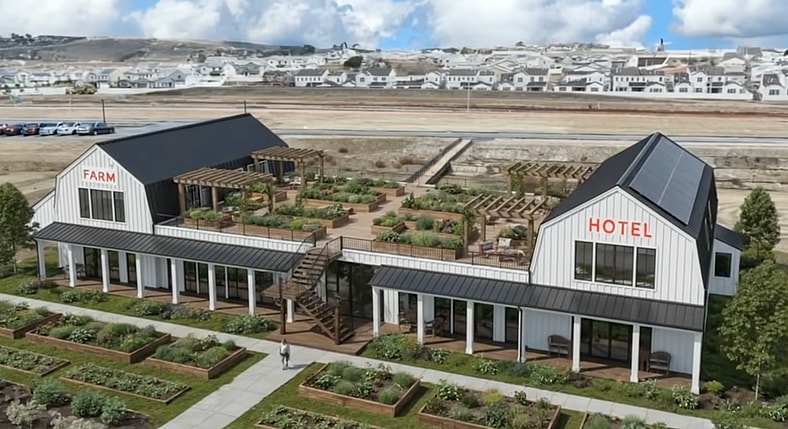
The goal is to prepare dogs for real life in homes, not just keep them safe. That means exposing them to normal routines, kitchens, couches, and visitors in a controlled, supportive way.
Rocky and Kelly also see the farm as a space for volunteers, veterans, and community members to connect with the land and with animals. They hope veterans from Camp Pendleton, just up the road, will be able to foster and walk dogs on the property as part of their own healing.
How the Coffee Tree Contribution Works

To fund the early stages, the couple is inviting supporters to “buy” a coffee tree for the farm in a flexible, pay what you can model. Rocky estimates that planting one coffee tree currently costs around fifty five dollars in materials, not including labor.
Supporters can contribute any amount. The tree will be planted on the farm, not shipped, and dedicated in honor of a dog. A local river rock will be hand painted with the dog’s name and placed at the base of the tree or in a collective area. Visitors will one day be able to walk the rows of trees and see the names of the dogs who helped bring the farm to life.
Those trees will eventually produce coffee that can be sold, creating a cycle in which each sponsored tree helps fuel ongoing rescue and rehabilitation.
A High Risk Project with a Long View
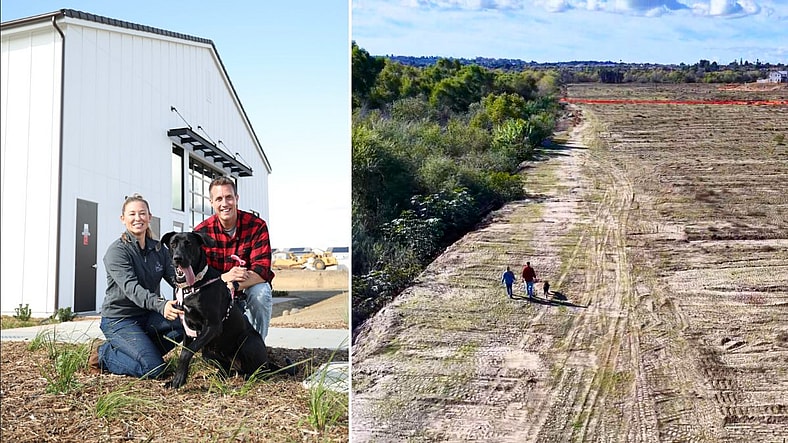
Behind the hopeful vision is a difficult, often emotional process. Rocky has spoken openly about zoning hurdles, negotiations with large landholders, and the fear of building something that could be shut down by a single complaint. There have been failed crops, tree loss from disease, and financial stress.
Still, he and Kelly say this is the path they want for their family and their work. They see Flip Farms as a way to protect farmland, offer hands on ways for people to help dogs, and keep the memory of Rocky’s own soul dog, Flip, at the center of everything.
The land may look bare now, but the Kanakas are inviting supporters to see what they see. A future where visitors roll up to a coastal farm, sip coffee grown on site, walk through rows of trees marked with beloved dog names, and meet the once forgotten dogs who now have a second chance.