
Why Dogs Have “Vibrissae” The Whiskers That Do More Than Look Cute
When you picture a dog’s face, you probably think of soulful eyes, a shiny nose, and of course those iconic whiskers along the muzzle. But here’s something many dog lovers don’t know: those whiskers have a scientific name. They’re called vibrissae, and they’re one of the most important sensory tools a dog has.
Unlike regular fur, vibrissae are stiff, deeply rooted whiskers connected to a network of nerves and blood vessels. Every tiny movement sends information directly to the brain, allowing dogs to “feel” the world around them, even in complete darkness.
Nature’s Built-In Radar System
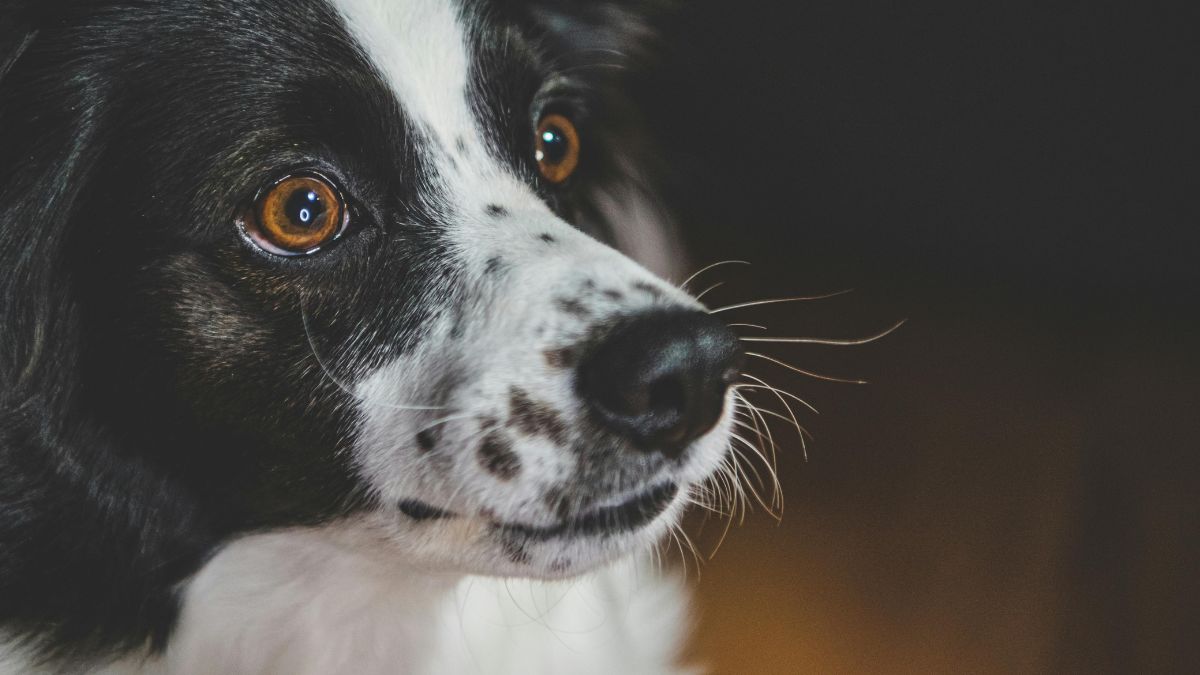
Dogs don’t use vibrissae for decoration, they use them for navigation, spatial awareness, and communication. When a dog approaches an object or another animal, air currents shift. The whiskers detect those changes, giving the dog clues about distance, size, and movement.
Researchers note that whiskers are so sensitive they can detect vibrations at microscopic levels, bit like having mini antennae built into the face.
This is why:
- Dogs use their whiskers to judge whether they can fit through spaces
- Muzzle whiskers help protect the face and eyes from danger
- Vibrissae help dogs hunt or track scents outdoors
- Puppies rely on whiskers before their eyesight fully develops
- Cutting whiskers can cause disorientation, anxiety, or clumsiness
It’s no surprise most trainers and veterinarians agree: never trim a dog’s vibrissae unless medically necessary.
A Sensory System Older Than Domestication
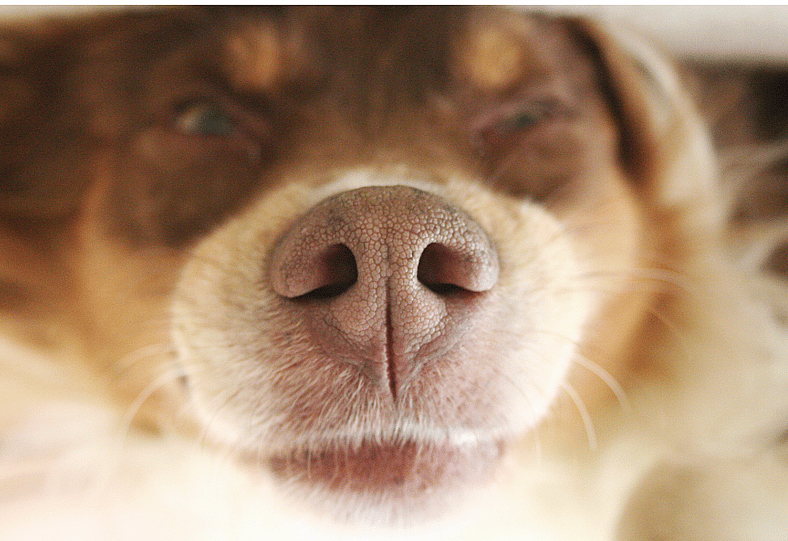
Vibrissae evolved long before dogs lived beside humans, they were essential tools for ancient canids navigating forests, hunting prey, and surviving under cover of night. Even today, working dogs rely on whisker feedback during tracking, scent work, or search-and-rescue missions.
In a way, vibrissae are a reminder that beneath every couch-cuddling companion lies the heart of a highly evolved hunter.
Tiny Hairs, Huge Purpose
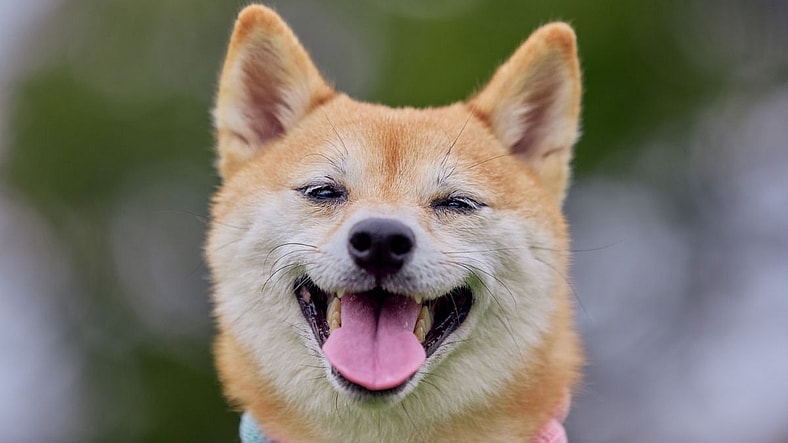
Next time your dog brushes their whiskers against your hand or boops their snoot on your cheek, remember — that moment is more than affection. It’s communication. Dogs learn about us with them, just as we learn about them with our eyes and voice.